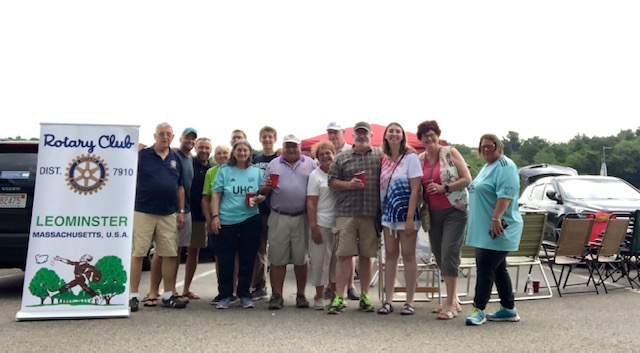
Charlie called the meeting to order, Claire lead us in the Pledge, Rennie lead us in the Reflection and Dean collected the happy and sad fines.
Louise had the 50/50 raffle ticket, no winner.
The calendar raffle winner was Charlie (Charlie).
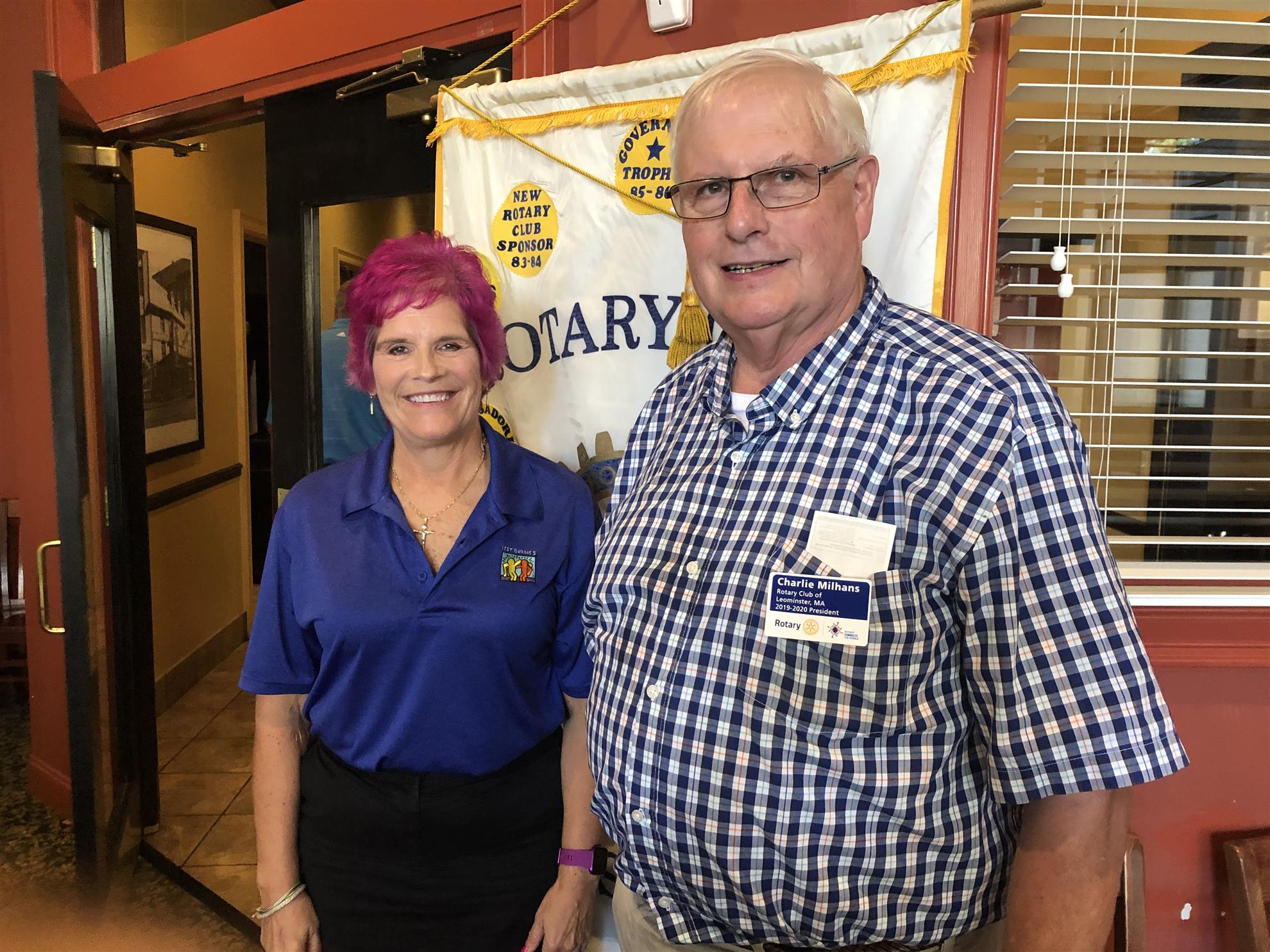
Our speaker was Kathleen DiRusso from Best Buddies.
MEMBERSHIP UPDATES
John Souza encouraged everyone to continue asking for people to join our club. Charlie noted that he provided several membership plans for the membership committee to review and present a plan for our club.
GENERAL TOPICS
Dean provided an update on the JA Festival. Charlie is going to call Rick Marchand to confirm that our booth is reserved.
John Tata has requested Oct. 21st. for the joint meeting for the Breakfast for the Bands with Fitchburg.
AIS is hosting our club meeting on Sept 16th. They indicated that no open toe shoes can be worn. Attendance needed by Sept. 12th.
John and Louise are wrapping up the Flower Box project. John noted that we have more sponsors than locations.
Ruby Vargas is going to chair the calendar project.
Guest Speaker
Kathleen DiRusso - Best Buddies
We welcomed Kathleen as our guest speaker. Here is a link to the website: www.bestbuddies.org to learn more.
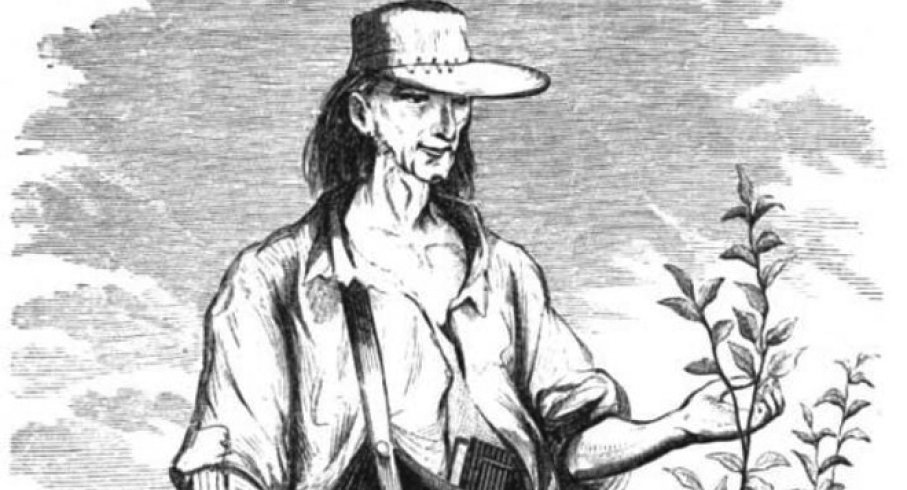
It may not surprise you that one of the most notable entrepreneurs of the American frontier didn’t wear a jacket, tip his hat and shine his shoes, but rather dressed in a coffee sack, donned a tin hat and traveled barefoot. John Chapman, better known as Johnny Appleseed, was a 19th-century horticulturist who made great contributions to the westward expansion of the United States. Though he may not have traveled down the Allegheny River on a block of ice like his folk-hero persona, Chapman paved the way for countless frontiersmen to settle new land around his orchards.
Chapman, the son of a farmer, was born on September 26, 1774 in Leominster, Massachusetts. He moved to Ohio at the beginning of the 19th century, bringing seeds from Pennsylvania cider presses with him and planting them along the way. Though his legend may paint a picture of Johnny Appleseed planting at random and selflessly handing out seeds to needy settlers, in reality Chapman’s path followed a strategic business plan. Children’s books about Appleseed have, of course, removed the element of alcohol from the story, but Chapman’s success was centered not around fresh apples but rather the cider they could create. Cider was an essential at the American dinner table at the time, so most homes had their own small orchard. Chapman planted orchards along the pioneers’ routes, staying ahead of other orchardist competition since his nomadic, unmarried lifestyle allowed him to cover more ground. He would then trade his seedlings with new settlers in the area so that they could grow apples for their new homes.